
In some kiln dust collection applications, incandescent particles, “sparks”, fly out of the kiln; generally caused by a combustion defect. If they reach the bag filter, they can burn a hole in the bag, with the consequent sudden loss of filtration efficiency, and the immediate need to stop the equipment to search for the hole(s).
If the type of material tends to self-ignite, it can even cause a fire in the enclosure that constitutes the filter.
What can be done about them? Naturally, the best solution to a problem of this type must be aimed at improving the melting system, ignition or whatever causes the emission of sparks in the furnace or similar equipment, with its indicated damaging effects.
A good option is to place the bag filter as far away as possible. As these particles are often heavy, they may not reach equipment which is far away.
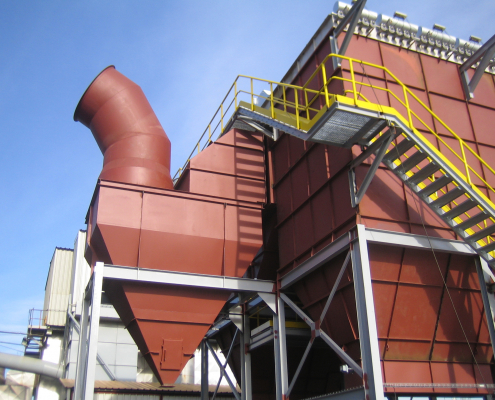
However, when it is necessary to have them, a solution can be found…
There are two spark arrestor, or anti-spark, systems that can be offered for this problem.
Inertia Spark Arrestor
In a horizontal or vertical section of the contaminated air pipe, a cylinder with a diameter slightly greater than that of the pipe is installed (speed decrease), along with a static system of blades inside, which causes coarse particles, sparks, to move towards the walls, removing them from the gas stream towards a collection hopper. This works in a similar way to a cyclone separator, which, in turn, can act as a spark arrestor in a plant.
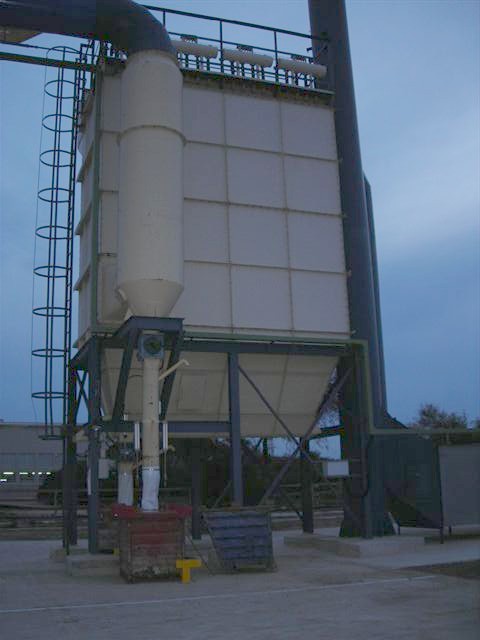
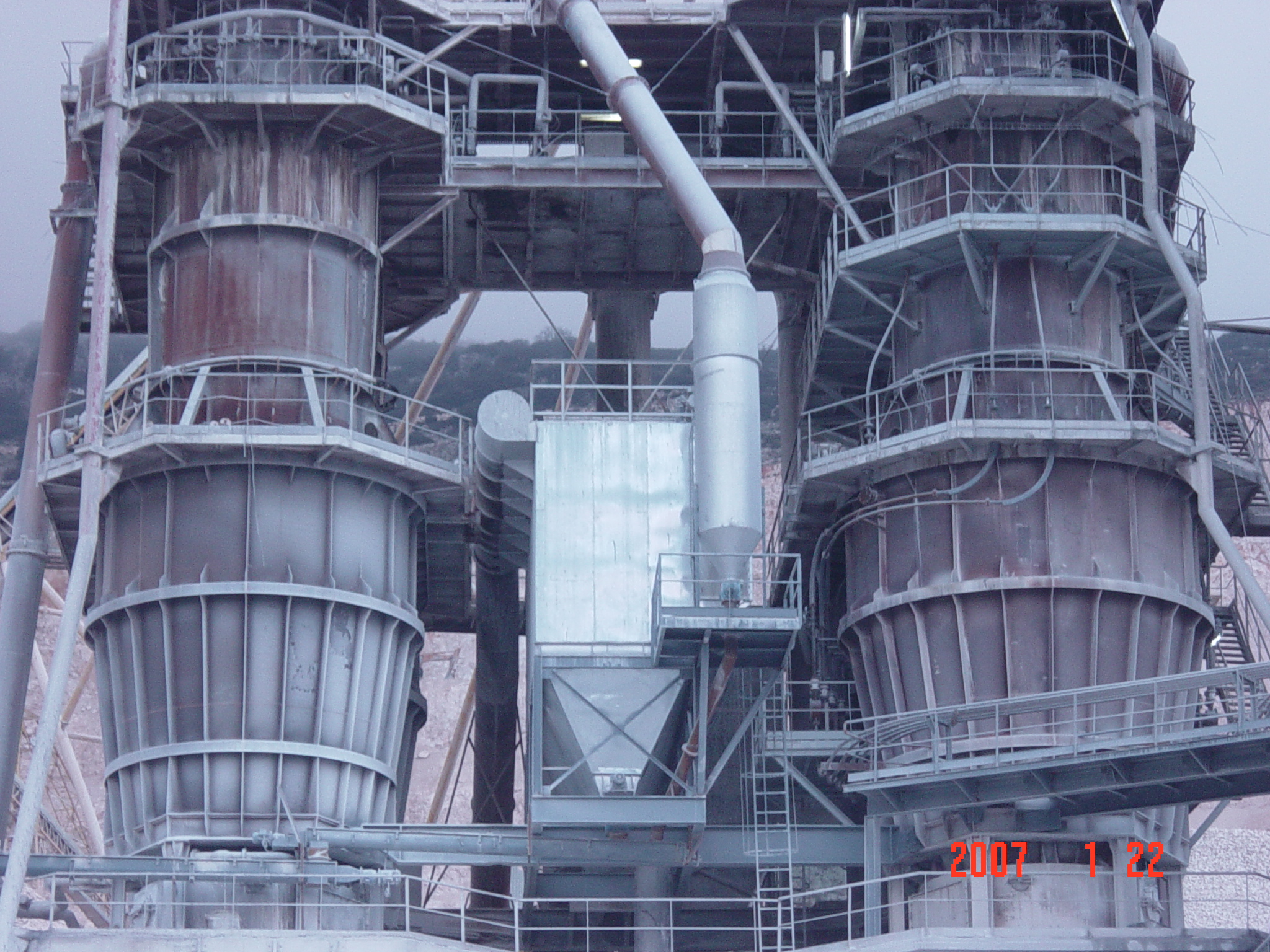
Water injection spark arrestor
The equipment includes an optical analyser in the contaminated air pipe, close to the emission point, but in a straight area, which guarantees a stable and non-turbulent speed regime.
The reader detects a spark travelling through the pipe, and automatically activates a water spray nozzle installed farther along the section, at a point calculated for the spark to reach a few seconds after its detection; the times and quantities are adjustable with the flow rates.

